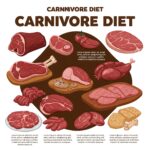

The Carnivore Diet’s been getting more attention lately, especially among folks wanting straightforward ways to eat without fuss. Instead of mixing lots of food types, it sticks to one core idea – fuel your body only with things that come from animals. You’d mainly eat meat, seafood, eggs, or similar items sourced from critters. It’s nothing like what most health experts usually recommend.
Some people say eating mostly meat helps them feel strong. They call this focus “Chief Nutrition,” thinking it boosts energy and health. Picking quality animal products on purpose matters most to them. Instead of plants or processed stuff, they go for foods like eggs, fish, beef. This way of eating aims to give quick fuel without fillers. Many believe simple meals from animals cover what the body really needs.
Even though newer takes on this way of eating took off just lately, the basic idea goes back to old-school food habits in different parts of the world – places where folks depended mostly on meat to get by. Right now, folks try the Carnivore Diet for all sorts of causes: easing gut issues, making meals less complicated, managing body weight, or just wondering what happens when you eat nothing but animal products. Knowing why people go for it sheds light on its growing appeal and why more are willing to give it a shot.
Your First 30 Days on the Carnivore Diet: What to Expect
A month eating only meat can lead to clear shifts – some small, others big. Right away, your system starts adjusting, swapping usual energy sources for fat and protein from animals instead.
Physical Adjustments in Month One
Some folks see quick shifts like smoother digestion, less bloating, or small changes in weight. Other people feel fewer aches tied to swelling. Since this way of eating cuts out grains, sugar, and plants completely, your gut might work in a new way – for a few days it can feel off, yet things usually balance out over time.
Mental and Emotional Shifts
Many notice shifts in how they think. When folks cut out certain foods that might cause reactions, their thoughts tend to feel sharper. Energy levels even out, while moods become steadier. One reason could be avoiding food irritants. Another possibility? Steady energy from fats and proteins keeps the brain running smoother.
A Typical Transition Timeline
- Week 1: Your body might feel off since your eating changes fast – some people get tired or want snacks while their system adapts.
- By week two, energy usually evens out – motivation tends to rise around this time.
Weeks 3–4: Some folks start seeing shifts in how their body feels, focus sharpens, gut function improves – energy levels also shift during the day.
These habits differ a lot – yet they show what many people tend to go through when trying a meat-based diet.
Evidence and Experiences
Though research on the carnivore diet is just starting, initial findings along with tons of individual stories suggest real gains in metabolism, better glucose control, lower inflammation, also sharper mood. A lot of people doing this way of eating notice steady stamina, less achy joints, smoother digestion, or easier weight balance.
Common Challenges on the Carnivore Diet
Switching up your eating habits often brings hurdles – the Carnivore approach isn’t different. Knowing what could go wrong makes it easier to move ahead.
- Risk of Nutrient Imbalance
Getting rid of plants means you’re stuck with just animal stuff for vitamins and minerals. Animal products pack plenty of good stuff, but sticking to regular meat might leave holes. Try different parts – like organs or fish – to cover more bases. - Social and Lifestyle Hurdles
Eating around others might seem tricky – especially if meals include vegan options or a mix of foods. Some folks get uneasy talking about what they do – or don’t – eat, whereas some feel off when ditching old favorites. Thinking differently, like focusing on why healthy choices matter, could make adapting way smoother.
Practical Strategies for Overcoming Carnivore Diet Challenges
Prioritize Nutrient Diversity
Fish or chicken, maybe some beef – each brings different goodness your body can use. Try sipping bone broth too; it helps keep you topped up on salts and fluids.
Support Hydration and Electrolytes
When carbs go way down, your system often loses water faster. To keep energy steady along with gut health and muscles working right, it helps to get enough sodium, potassium, or even magnesium. Some people notice good results from sipping salty broth or using electrolyte add-ins now and then.
Connect With a Community
Some folks like Candid Carnivore offer tips, meal ideas, or just a place to swap stories. Having others around might brighten your journey while cutting down on guesswork when things get tricky.
Optimizing Your Health While Eating Carnivore
Living well on the Carnivore Diet isn’t just about eating animal foods – it’s learning to manage essential nutrients while keeping your health steady over time.
Macronutrient Balance
Protein helps fix muscles plus keeps everyday body functions running. Yet fat from food acts as your main power supply throughout the day. Getting enough of this fat – instead of just eating lots of low-fat protein – is key to staying full and lively.
Micronutrient Awareness
Meat has plenty of iron, plus zinc, along with several B vitamins and those that dissolve in fat. Switching up which animals you eat keeps levels steady for these key nutrients. Organs pack a powerful punch when it comes to nourishment.
Hydration and Electrolyte Management
Staying hydrated matters a lot. When what you eat shifts your body’s water balance, keeping track of fluids along with minerals helps prevent tiredness, sore muscles, or feeling slow.
Long-Term Benefits
Some people on the Carnivore Diet a while say their blood sugar when they wake up is better, along with how their body handles insulin. A few notice they think more clearly throughout the day, without energy crashes now and then. Cutting down on meal decisions helps certain folks feel less overwhelmed, which makes sticking to routines kind of automatic.
Conclusion:
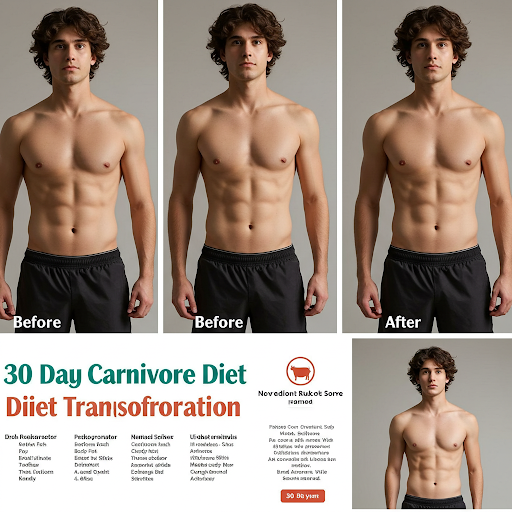
Reflecting on a 30-Day Carnivore Transformation
A month trying a meat-focused way of eating might surprise you. During that time, you looked into what it’s really about, spotted some hurdles ahead, yet found ways to keep things varied and full of nutrients.
The Carnivore Diet runs mostly on meat, cutting out plants completely. Staying well-nourished matters – so does drinking enough water, along with giving your system time to adjust. You might notice smoother energy levels, better gut function, sharper focus, or a more stable metabolism.
Once you’re past those initial 30 days, keep in mind it’s your own path. Tune into how your body feels, tweak things if something’s off, yet reach out to folks or experts who know this way of eating well.
Additional Resources
If you want to learn more about eating like a carnivore, try checking out:
Web communities like Chief Nutrition or Candid Carnivore give meal ideas, real-life experiences, besides handy tips.
Books:
The Carnivore Code by Dr. Paul Saladino
The Carnivore Diet by Shawn Baker
These books look at how meat-focused diets work, what studies say about them, yet also cover real-life ways to follow such a plan.
Expert advice from nutrition pros who know low-carb or meat-focused diets? They’ll shape your plan to fit you, plus keep you on track over time.