
Chia seeds are now common in health-focused diets – people like them because they pack plenty of nutrients and might help shed pounds. Tiny as they are, their effect on nutrition isn’t tiny at all. Knowing how your body reacts to chia could guide smarter choices when adding them to daily meals, especially if you’re going slow and steady with losing weight.
Weight loss? Lots of folks want it, but sorting through endless diet trends sure isn’t easy. Still, chia seeds catch attention – they pack good stuff your body actually needs, minus the wild promises. Toss ’em into breakfast or blend in smoothies – no hassle required. For anyone tweaking what they eat, these tiny seeds fit right in, no strict rules needed.
This piece looks at chia seeds in a down-to-earth way, focusing on real benefits backed by science. Instead of calling them a cure-all, it shows how their nutrition helps you feel satisfied, aids digestion, while supporting steady eating habits. Plus, it gives no-fuss tips for adding chias to your daily dishes – alongside easy recipes to kick things off. Used wisely, they fit well into an everyday routine that values wellness without hype.
What Makes Chia Seeds Unique?
Chia seeds grow on the Salvia hispanica plant; folks have eaten them for ages. Right now, people like them because they pack lots of good stuff in small amounts. One spoon gives you plenty of fiber, some protein from plants, also healthy fats like omega-3s. Because of this mix, chia fits easily into meals today.
The key nutrient in chia seeds? Soluble fiber. Once they hit liquid, a jelly layer forms around each seed – soaking up way more water than you’d expect. That quality helps slow digestion, making meals feel more filling. If someone’s aiming to curb cravings or skip extra snacks, that puff-up trick inside the gut might just help.
Chia seeds pack a good dose of plant-based protein, useful if you’re skipping meat now and then. This kind of protein keeps your metabolism running while preserving muscle – that matters when managing weight. On top of that, the omega-3s they contain help reduce inflammation throughout the body. These fats also play a role in keeping your heart in better shape.
Chia seeds pack plenty of nutrients, yet no one vitamin makes them special. Instead, thanks to fiber along with protein and healthy fats, they help fuel your body. These parts team up to keep energy steady throughout the day.
How Chia Seeds Support Weight Management
The role of chia seeds in managing weight isn’t tied to quick fat burn; rather, it’s linked to building better eating patterns that are doable and lasting.
- Enhanced Satiety
Chia seeds soak up moisture, expanding in your stomach – this can keep you feeling satisfied longer. Eating them with wholesome, nourishing ingredients might curb excessive snacking, thanks to their filling effect.
- Support for Digestive Health
Soluble fiber keeps your gut on track – by fueling good bacteria while boosting consistent digestion. When your system runs smoothly, you feel better day to day, which might gently guide choices toward more balanced meals.
- Nutrient Density Without Excess Calories
Chia seeds pack a lot of good stuff while staying low on calories. So they’re handy if you want strong nutrition without piling up energy from food. - Help With Consistent Energy Levels
Fiber, protein – also good fats – can slow how fast carbs get digested. That might help keep energy steady all day while lowering chances of sudden slumps pushing you toward sugary snacks.
Though quite a few researchers looked into chia seeds and losing weight, most findings suggest these tiny seeds help if you already eat well – yet they shine only alongside good daily routines instead of working solo.
Practical Ways to Add Chia Seeds to Your Diet
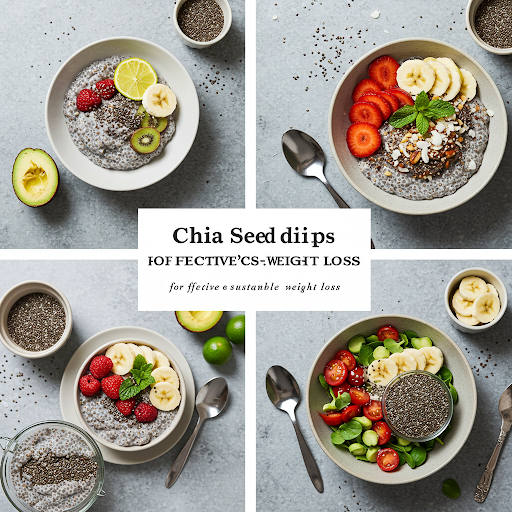
Chia seeds work just fine straight up, or after soaking – try tossing them in a smoothie instead. Since they don’t overpower with taste, you can mix them into desserts or throw them into something salty without messing it up.
Daily Amount
Many folks do well with 1 or 2 spoonfuls daily – fiber handling and eating habits change how much works best.
Simple Ways to Use Chia Seeds
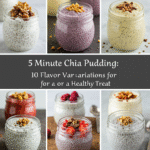
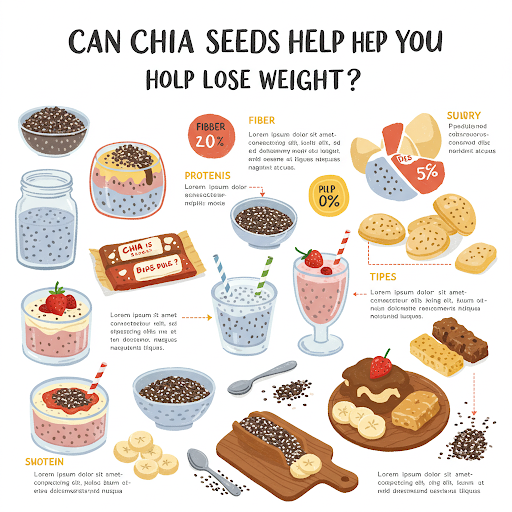
Chia pudding: Mix chia seeds with milk – or something like almond drink – and let it sit in the fridge till it turns gooey. Toss in some fruit or a pinch of spice to jazz it up.
Try tossing a spoon of chia seeds into your fruit or veggie shakes – gives them more body while boosting goodness inside. Mix it up now and then; keeps things interesting without slowing you down.
Try adding chia seeds on top of your salad – they give a little snap with every bite. Or mix them into rice dishes; they blend right in yet add texture out of nowhere.
Make your own energy bars by combining chia seeds, oats, plus some chopped nuts. Use nut butter or honey to hold it together – chill the mix until firm. After that, cut it into small rectangles for easy snacking.
Try yogurt or oatmeal – mix in chia seeds to add more fiber plus some protein.
These basic tools make it easier to boost meal nutrition without much work at all.
Possible Side Effects and Considerations
Even though chia seeds don’t harm most people, eating a lot at once might lead to stomach issues because they’re high in fiber. If your system isn’t used to more fiber, you could feel bloated or gassy. Staying hydrated during the day helps – so sip water regularly while slowly adding chia into your diet.
People dealing with stomach problems, allergies, or certain health issues need to check with a doctor before shifting their diet big time. Same goes for anyone expecting a baby, feeding one, or on meds – they’ve got to make sure chia seeds won’t clash with how they’re doing already.
Moderation still matters. Chia seeds work best when combined with a mix of unprocessed eats – think veggies, clean protein sources, plus good-for-you fats.
Conclusion
Chia seeds pack fiber, good fats, or plant-based protein – helping you feel full, aiding digestion, while fueling your body right over time. You can toss them into drinks, mix them in bowls, yet even turn them into dessert without hassle.
Still, chia seeds work best when added to good daily habits – not used alone. Alongside paying attention to food choices, staying active now and then, plus eating a mix of nutritious foods, they fit well into feeling better overall.