

Taking time for yourself comes first when staying steady through daily challenges. Not because it feels good but because it keeps thoughts clear, moods even, bodies strong. Instead of seeing rest as selfish, view it like fuel – needed to keep going without breaking down. During tough stretches, small deliberate choices add up, creating space before pressure builds too high.
Figuring out how to care for yourself helps make sense of what you really need, while facing tough moments more calmly. Resting on purpose gives room to think clearly, plus emotions become easier to handle over time. Mood lifts when daily routines include pauses just to breathe or notice feelings without rushing. Coping grows stronger not by pushing harder but by choosing small consistent actions. Relationships feel less strained once inner balance becomes a quiet priority. Anyone can start, even if progress feels slow at first. Simple tools matter most – things like pausing before reacting or noticing tension early. This guide offers real steps anyone might try, without needing special training. Each idea fits into ordinary days, fitting around work, noise, or fatigue. The aim? Building your own way through hard patches using steady, gentle methods.
Defining Self-Care and Cultural Perspectives
Starting out, self-care might feel unclear or too much to handle. Really, it is about choosing steps on purpose to keep your mind steady, emotions even, and body strong. Such choices let a person bounce back from pressure, stay driven, yet still show up fully each day.
Well-being shifts shape across cultures, shaped by what people hold dear. Community life in places like Nigeria wraps health around togetherness, kinship, yet mutual aid woven into daily rhythms. Meanwhile, nations such as Canada or the United States lean toward habits built alone – writing thoughts down, moving the body, paying steady attention to the present moment. Meaning matters most, regardless of method; staying well grows out of actions that fit naturally, last over time.
What matters most is how personal care fits into daily life. Routines shift depending on where someone lives, what they believe, or how they feel inside. For those just starting, it helps to notice these patterns without forcing anything. Flexibility becomes key when building habits that actually last. Culture plays a quiet role, guiding choices in ways people might not even name. Over time, small adjustments align actions with inner priorities. The result feels less like following rules, more like listening closely.
Practical Tools and Global Traditions
Breathing slowly when everything feels loud – that kind of pause helps. Doing something with your hands, like drawing or building, shifts how your mind moves through the day. Quiet minutes add up without announcing themselves. Moving away from noise, even briefly, resets what you carry inside. Tiny habits shape mood more than big promises ever do.
Everywhere you look, folks find different ways to care for themselves. Movement flows through daily life in China – Tai Chi brings stillness amid motion. Down in Australia, feet hit trails by the sea; salt air and trees help minds unwind. From village drums to city galleries, sound and color open doors to feeling whole again. Belonging – to friends, family, community – often holds what healing looks like.
Now here’s a thought – trying new ways might show what truly recharges you. When routines match your actual likes, they stick without effort. What matters often hides in small moments that just feel right.
Managing Emotions and Inner Chaos
Feeling things deeply? That’s normal. What matters is how someone handles those feelings when they show up. Picture staying steady during a storm of stress – that takes practice. Instead of reacting fast, pausing helps choose better responses. It’s not about pushing emotions away but making space for them wisely. Tough moments become easier when reactions are thoughtful, not impulsive. Handling inner chaos calmly shapes daily peace.
Breathing slowly on purpose tells your body it’s time to calm down, whereas paying attention right now – without deciding if things are good or bad – shifts mental gears. Writing thoughts down works too, giving space to sort through feelings, notice what keeps happening, plus understand what sparks strong reactions inside. Feelings start making more sense when you learn how to manage them. Over time, handling your reactions builds strength and helps choices feel clearer. Practice turns intense moments into useful clues instead of roadblocks.
The Power of Personal Boundaries
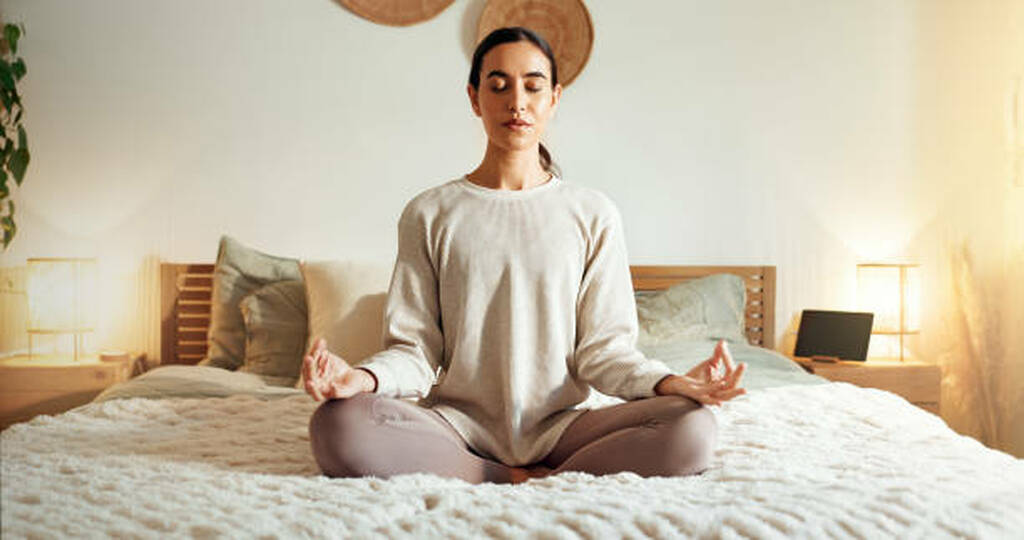
Starting fresh each day feels easier when limits are clear. What works for one person might overwhelm another, so knowing your edge matters. A space between you and others keeps things steady. Pushing through everything leads somewhere rough – burnout waits there. Respect flows both ways once lines exist.
Sometimes saying no means protecting your time instead of spreading yourself too thin. It feels awkward at first, yet standing by personal limits builds trust in yourself. When words come out steady and plain, confusion tends to fade a bit faster. Your well-being gets clearer when you honor personal limits. Not pushing past what feels right is not shutting others out – it’s protecting your inner balance. Saying no sometimes keeps your mind steady. Care shows up in choices like stepping back when needed. Energy stays intact when lines are drawn with thought.
Routine: The Anchor of Stability
What keeps your mind steady? Daily motion helps, along with enough rest each night. Eating foods that fuel the body matters just as much. Quiet minutes during the day shift how you feel inside. Stability grows when these pieces fit together without force. Routine shapes a calmer inner world over time.
Change doesn’t happen overnight. A single tiny step at a time keeps things from feeling heavy. When days feel unsteady, knowing what comes next helps steady the mind. Routines act like quiet anchors beneath the noise. Going forward often feels like two steps ahead, one step back. Staying gentle with yourself matters just as much as staying consistent while building routines. Small attempts add up, shaping a tougher mind and steadier emotions over time.
Recognizing Stress and Seeking Support
Worry that won’t quit, a body wound tight – these show up first. Spotting them fast changes how things go next. How you respond matters most when it starts small. When feelings get strong, paying attention to what you see, hear, or feel can help calm the mind. Breathing slowly works too, especially when done without rushing. Moving your body each day makes emotions easier to manage over time. What you eat matters just as much as how much you move. Sleep that is deep and long supports steady moods more than most realize.
Therapy might help when someone feels stuck. How people handle worry differs one moment to another. Tools that fit just right tend to work better over time. Trying different ways strengthens how fast you adjust. Confidence grows not from fixes but from practice.
What helps mental wellness isn’t just personal effort. Strong bonds between people make a real difference when it comes to staying emotionally steady. Talking freely, really listening, sharing feelings – these things build spaces where worries aren’t hidden. Quiet acceptance often matters more than advice.
When partners take time to care for themselves together, they often feel closer. One might notice how small moments add up when someone listens without jumping in. A word of thanks now and then helps too. Staying tuned into how the other is feeling makes space for trust. Encouragement shows up in quiet ways more than grand gestures. Something shifts when people care about each other’s well-being – connections deepen, handling tough moments gets easier.
Conclusion: Building Your Resilience
Truth is, looking after yourself isn’t extra – it’s basic. When people make space for their emotions and inner life, they grow stronger. This strength helps them face long-term pressure without breaking down. Building your own mental health kit takes time, curiosity, a bit of trial. One piece at a time – drawing limits, staying present, reaching out – fits into daily balance differently. It works because it’s yours. When we look after our own needs, it becomes easier to support those around us. Putting self-care first builds stronger people, connections, and neighborhoods at once. What helps one person often lifts many.
Further Resources for Growth
Looking for more ways to grow. Plenty of tools exist once you’re ready to explore further. Reading materials, trusted online spots, workshops by care groups – they cover starting points like looking after yourself, handling feelings, knowing where your limits begin. Each step unfolds differently depending on who you are.
Starting fresh with guides about habits and handling worry might add useful tools to how you care for your mind. When things feel tough, reaching out to counselors nearby or calling a support line could bring help when it’s most needed. Every day brings new chances to care for yourself. When good information finds you, decisions about mental health grow clearer, steadier. Staying steady becomes possible when support stays close.



Be the first to comment