Introduction
Staying active helps control weight, yet how workouts affect fat loss isn’t always straightforward. This piece breaks down what research says about moving more, checks different ways to train, while also showing daily choices that help you stay on track. Being physically engaged burns calories throughout the day, influencing metabolism – how your system processes energy – which aids shedding pounds and boosts well-being over time.
We’ll show real-tested ways to train – like intense burst exercises or simple starter routines – that work no matter your shape or level. If you’ve done planned workouts before or are only now adding activity to your day, these tips will keep you moving forward without risk.
On top of that, let’s talk about related daily choices – like eating well, drinking enough water, resting properly, or handling pressure. Each one ties into how you work out, shaping if shedding pounds actually sticks. Going for an overall shift, not just quick fixes, makes it more likely things will hold up over time.
Check out how moving more helps shed pounds, which routines work best, also what small daily moves keep you on track.
Understanding Weight Loss and Exercise
Working out helps you shed pounds by burning extra calories each day. Alongside good eating habits, staying active brings about a calorie gap that slowly cuts down fat. Being on the move tweaks how your metabolism works, helping your body manage fuel better – not just while moving but after, too.
Different workouts push your body’s energy use in unique ways. Take quick, hard bursts – they stress the system heavily, keeping calories burning post-exercise; whereas regular-pace efforts deliver stable fuel usage across extended time. Knowing this split makes it easier to pick routines matching what you want and how you live.
Even so, working out’s just part of staying on top of your weight. Eating in a way that backs you up gives your body what it needs to power through training and bounce back right after. If smart food choices go hand in hand with movement, each one works better than alone.
Once you see how motion, body burn, and meals connect, your slim-down strategy becomes doable – also lasting.
Best Exercise to Lose Weight: What Research Indicates
Sports workouts studied over time reveal some methods work better to burn fat. Because they push your body hard, quick bursts of activity use lots of energy fast. When you lift weights, muscles grow stronger – not bigger – which helps burn more even when sitting still.
Folks who row, bike hard, or walk quickly burn energy steadily – meanwhile strength work boosts metabolism over time. One after another, they deliver better outcomes.
Looking at various workout types helps shape a plan that boosts fat burning while improving general health. Instead of guessing, pick moves based on what they do to your muscles and energy use. Some forms raise heart rate fast – others build strength slowly. Either way, matching them to your goals makes progress more likely. Mixing styles keeps things fresh without wasting time.
Effective Weight Loss Workouts
A balanced routine combining resistance work, cardio, or stamina drills boosts fat loss. Lifting weights, using equipment, OR just your own body builds stronger muscles OVER time. That kind of training shapes the physique WHILE improving balance. It ALSO keeps metabolism active throughout the day INSTEAD of spiking then dropping.
Aerobic exercises, done inside or out, boost your heartbeat while playing a big role in how many calories you burn each day. These routines work at different speeds, fitting whatever shape you’re in.
Interval workouts switch between hard bursts and short rests, mixing muscle power with endurance gains. Since they pack lots of work into less time, these routines fit well for busy people.
Mixing these three workouts helps create a plan that boosts fat burn, builds stamina, strengthens muscles – while also lifting general fitness levels – all at once.
HIIT for Weight Loss
Short bursts of tough exercise, then a calm break to recover. Tough workouts push your heart and muscles hard, burning lots of energy fast. After you finish, your body keeps using extra fuel for hours – thanks to this workout’s lasting effect.
A basic workout for newbies could involve moves like easier burpees, quick step-climbs, rapid marching, or gentle jump alternatives. Brief bursts – around 20 to 30 seconds of action then a break – work well at first. Once you build up endurance, slowly extend the work periods or swap in tougher activities.
Done regularly, HIIT boosts stamina while helping burn fat – also lifts general fitness levels.
Beginner Exercises for Losing Weight
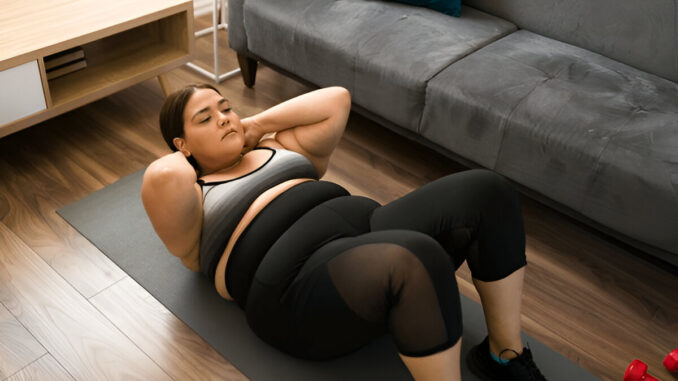
Starting out in fitness? Try simple moves that don’t strain the body but still help you feel stronger and lose weight safely. Going for brisk walks works well – it boosts movement each day, needs no gear, and anyone can do it right away. Instead of jumping into tough workouts, try basic exercises like holding onto something while squatting, stepping back one leg at a time, or doing push-ups against a wall. These build early strength and teach your body how to move smoothly.
To build a steady plan, mix in three parts – start with variety, add consistency, then finish with rest
-
Go for a brisk walk or jog to get your heart pumping.
-
Build strength so muscles work better.
-
Mobility work plus stretches help keep joints healthy.
Slowly boosting time or effort helps newbies move forward without risk. Sticking with it matters way more than getting things perfect – tiny actions, done often, add up to real results in the long run.
Lifestyle Tips to Enhance Weight Loss
Sticking to small routines matters just as much as planned training sessions when building lasting results. Picking a workout rhythm that fits your week, aiming for goals you can actually reach, while watching how things improve keeps drive alive. Some folks see better outcomes by writing down each session – or simply noticing shifts in energy levels and mindset along the way.
Getting moving during the day really helps. Take quick walks, stretch between chores, or bike to work – these bump up calorie burn without weighing you down.
Rest matters just as much. Getting enough sleep, staying hydrated, handling stress well, or eating consistently affects how your body adapts to workouts. If these pieces fit together, the results from exercise show up clearer and last longer.
Common Mistakes to Avoid
Some mistakes might hold you back or raise injury risk. Jumping into tough workouts fast can shock your system, causing problems down the line. Sticking to just one kind of training isn’t smart either – mixing things up hits various muscles and boosts stamina evenly.
Mistakes in form pop up a lot. Focusing on proper motion – use tips, watch videos, or get help from an expert – keeps you safe while boosting progress.
Staying alert to possible roadblocks helps tweak your habits – shielding your steady gains over time.
Conclusion
Shedding pounds works best when things come together – knowing what workouts do to your system, mixing up types of training, while also backing it up with solid everyday choices. Stick with it over time, move forward with purpose, give yourself room to rest, so you build a workout habit that boosts well-being and self-assurance for good.
No single exercise brings success – instead, sticking with it over time, along with small tweaks, builds real progress. Use the tips shared here, so you can move forward step by step, making changes that last.
Additional Resources
Plenty of options exist to back up your journey – take trusted wellness sites, workout-focused phone apps, or digital groups built around staying on the move. You’ll find exercise inspiration, eating advice, while bumping into folks chasing comparable aims.
Looking into different info spots helps you tweak your method while staying interested during workouts.

Be the first to comment