
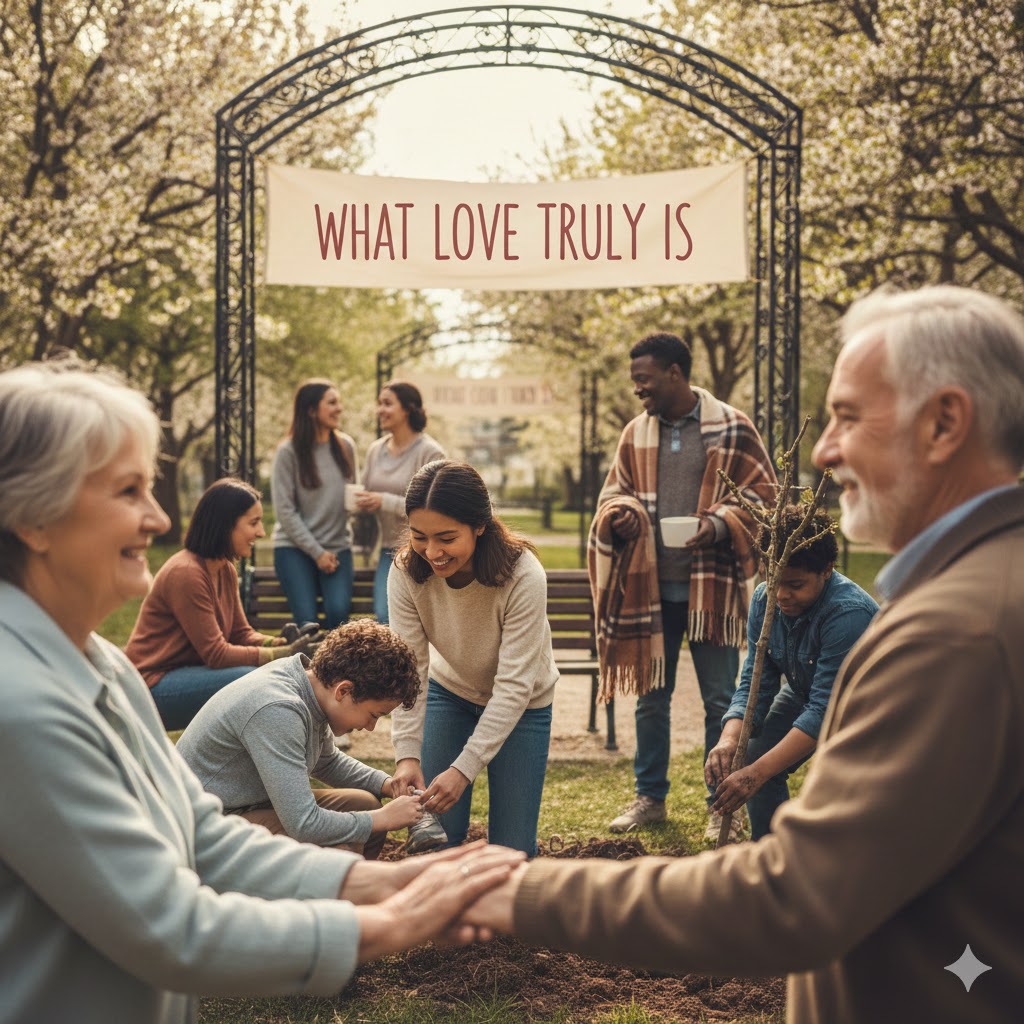

Love’s usually seen as a big deal in life – strong, real, matters a lot. It affects how folks link up, build bonds, or even figure out what counts. Pretty much all people feel it somehow; nailing down exactly what it is? Not so easy. You’ve got feelings close by, pull toward someone, faith in them, plus caring hard about their happiness. Few things change how humans act like this does.
Some experts say love isn’t only a feeling. Instead of comparing it to joy or rage, think of love like hunger – something your body deeply needs. From this angle, it pushes folks to form close ties, much like how cravings push us to eat or drink. Seeing it that way makes sense of why love feels strong and sticks around, even when it doesn’t make sense or gets tough.
Even though it matters a lot, love’s still poorly grasped by humans. Some researchers argue it’s driven more by genes, others say society shapes it – truth might lie somewhere in between. Hormones affect it, sure, but so do norms and shared beliefs around relationships. How we show affection often mirrors what our environment teaches us.
Signs That You Are in Love
People who study the mind have spent ages trying to figure out how liking someone’s different from loving them. Enjoying another person tends to come with good vibes, yet love typically runs way deeper. A well-known idea in psychology says romance is built on three main parts.
The first one’s about clinging – wanting someone near, craving comfort they give through words or touch. Next comes concern, where you actually care how your partner feels, putting their mood on par with yours. Last is closeness – not just hugging but letting walls down, speaking true stuff, trusting enough to share what stirs inside.
Where these pieces come together, affection usually grows deeper and lasts longer. Those caught up in love tend to act with commitment, share their feelings openly, yet put the bond first.
Different Forms of Love
Love isn’t just one thing. Experts say folks might feel various kinds of it during life, shaped by situations or who they’re with.
Friendship-love grows from care, honesty, and moments lived together. Yet infatuation hits hard – full of feelings – but might fade fast without lasting promises. Instead, passionate love burns bright through pull and thrill; meanwhile, companionate love builds slowly, focusing on calm, teamwork, and real bonding.
Some folks experience one-sided affection, where emotions aren’t shared back. Even though it hurts, this kind shows just how intense emotional connections can get – no matter if they’re answered or not.
The Triangular View of Love
A popular way to think about love breaks it down into three parts – closeness, excitement, and loyalty – that work together. Mixes of these pieces lead to varied kinds of connections.
Take close bonds built just on closeness – they’re a lot like best friends hanging tight. On the flip side, ones fired up mostly by spark might burn strong at first, yet flicker out fast. Stick to dedication without warmth? You could end up stuck in a lasting bond that feels kind of cold. Mix all three – heat, trust, and care – and folks usually say it’s real, full-on love.
This setup’s been looked at in different places, showing how connections change and act unique as time goes on.
Biological and Cultural Influences
Love seems to come from our genes as well as what we pick up growing up. Studies reveal people fall in love across different cultures, which hints at deep-rooted instincts. Things like brain signals and body chemistry affect how we connect, tie down, or feel close – especially when dating someone.
Meanwhile, culture changes the way people show and see love. Because of customs, what families believe, also society’s rules, views on relationships differ. Like in certain places, picking your partner matters most – elsewhere, fitting into the group or having family approval comes first.
Love and Emotional Health
Good relationships boost both mood and body health. When folks feel cared for, they’re usually less stressed and healthier overall. Feeling love helps build good routines, bounce back from tough times, or just enjoy life more.
Close relationships often mean fewer struggles with sadness or worry. When people feel appreciated and linked to others, it creates safety, which makes tough times easier to handle.
Nurturing Loving Relationships
Putting in work matters when growing a close connection, also paying attention to feelings helps quite a bit. Doing small thoughtful things on purpose can bring people closer, like saying thanks or truly listening. Talking honestly plays just as big a role since it clears up what each person really wants.
Disagreements happen in every relationship – yet handling them calmly and openly builds deeper connection. Ignoring issues tends to fuel bitterness; on the flip side, talking things through helps both sides grow closer.
When Love Becomes Difficult
While love gives happiness, yet it often comes with hurt and tough feelings too. Close bonds might bring worry, envy, or low moods now then. Such reactions aren’t unusual; still, they may cause damage when they take over or mess with everyday life.
Spotting bad habits while reaching out for help helps people handle tough parts of relationships. When talking fails – or feelings get too heavy – therapy might make a real difference.
The Evolving Study of Love
People used to understand love through stories, paintings, or deep thoughts. Lately though, science started taking it seriously. At first, researchers got flak for looking into it; still, new findings show it affects how we grow inside and stay well over time.
Now, looking into love keeps expanding, giving clearer views on a deeply personal part of life.