
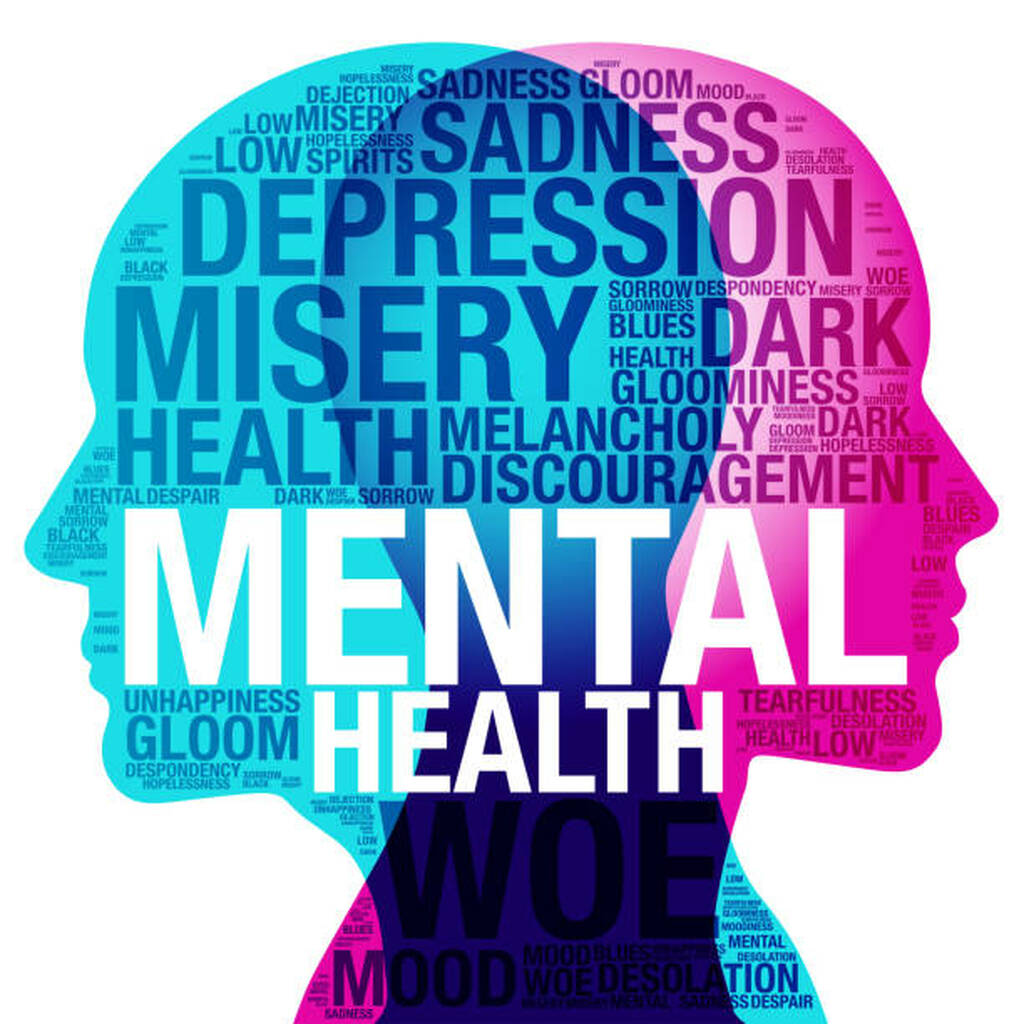
Why Mental Health Awareness Matters Now
How we see life ties closely to our inner well-being. When pressure builds, it colors our reactions, our calmness, even the way words flow between friends. Not just one person’s burden – this ripples outward, touching homes, offices, neighborhoods. Quiet struggles show up everywhere, often unseen.
Knowing more about mental health helps people recognize their feelings. Because of this, connections with others can grow stronger. Supportive spaces begin to form when schools and workplaces pay attention. As understanding spreads, whole neighborhoods start to shift. Empathy becomes common. People listen because they have learned it matters.
When everything shifts fast, staying grounded matters. Stress fills days, yet caring for inner balance becomes necessary, not just wise. Kindness grows where people choose strength through hard times. A world focused on healing shows up differently ahead. Shared effort makes room for gentler tomorrows.
Defining Inner Well-being
Feeling steady inside does not just mean no diagnosis. What shapes your days – stress, choices, connections – often comes from within. Emotions, thoughts, relationships – they all weave into one bigger picture. When things feel balanced, change becomes easier. Growth shows up quietly. People start showing up differently around you when inner ground feels firm.
Figuring out how minds work helps folks spot trouble before it grows. Knowing more means seeing yourself clearly – yet staying open to what others go through. Once someone gets it, reaching out – or showing up for a friend – just makes sense.
Open talk about mental wellness grows when people learn more. When fear fades, space appears for honesty to take root. Learning changes how communities respond to inner struggles. Respect follows awareness, slowly shaping safer spaces. Support becomes normal once confusion lifts. Knowledge paves quiet paths toward care.
Breaking the Silence
It starts with speaking up when others stay quiet. Shame around emotional pain still stops people from reaching out. Assumptions, dread of being labeled, and old myths keep voices low. Change grows where courage meets conversation. Questioning what we’ve long accepted can open doors few knew were closed.
Truth spreads when silence breaks. Talking freely about personal struggles makes hard feelings seem more ordinary, less isolating. As walls come down, someone else might finally feel seen. Sharing stories pulls people out of hiding, often just in time.
What truly matters? Not just shifting views, but building spaces where reaching out feels possible. Safety grows when understanding replaces judgment. Healing takes root where people are met with kindness, not doubt. Growth happens slowly, shaped by trust. Long-term well-being thrives only when belonging comes first.
The Role of Emotional Awareness
Feeling what’s happening inside yourself often means you notice feelings more clearly. When someone gets good at sorting out their emotions, connections tend to go smoother. Paying attention to moods – not just your own but people around you – helps when things get tense. Handling tough moments becomes easier without losing control. Talking so others feel heard usually follows naturally then. People who pause to sense emotional shifts rarely miss key signals in conversations.
Feelings matter when people work or live together. Because of this, getting along becomes easier when emotions are handled well. Listening with care grows when someone stays calm and pays attention. Respect shows up more often when replies stay steady instead of sharp. Missteps fade when reactions aren’t rushed or heated. Stronger bonds form when feelings don’t take over the moment.
Finding balance inside yourself changes how you connect with others. As feelings gain space in everyday moments, trust grows where listening happens naturally. A quiet shift begins when people stop pretending they’re fine.
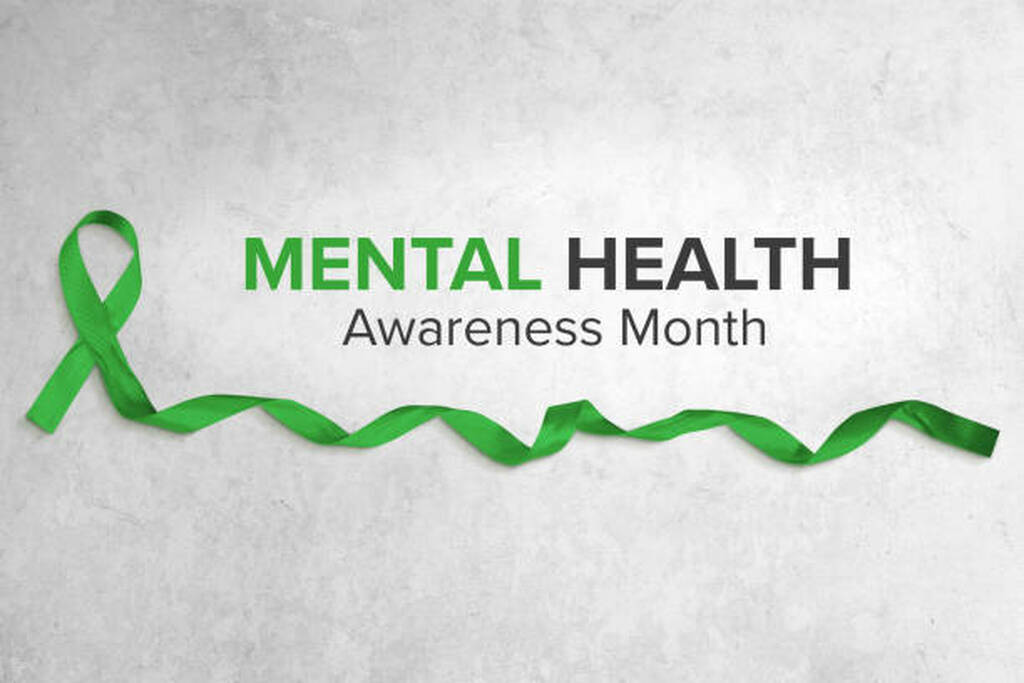
Question: What color is mental health awarenessAnswer: Green
Question: when is national mental health awareness month
Answer: National Mental Health Awareness Month is every May
Question: what month is men’s mental health awareness month
Answer: Men’s Mental Health Awareness Month every June
Connections and Communication
When someone takes care of their mind, it shows in how they connect with others. A steady inner life often means calmer reactions, deeper listening, less tension. People feel safer when emotions aren’t unpredictable. Moments of stress become easier to move through together. What changes inside one person can quietly reshape the space between two.
When people talk openly, they tend to understand each other better. One thing that helps is truly hearing what someone says instead of just waiting to reply. Respect grows when both sides feel their views matter equally. Feelings gain strength when acknowledged, not questioned right away. Solving issues together often leads to tighter connections over time. Trust builds slowly where honesty can exist without fear. A safe space forms when judgment takes a back seat.
When people make mental well-being a quiet priority in their connections, they build strength over time. These deeper bonds tend to lift mood and confidence, feeding back into healthier minds. Each part helps the other grow without force or demand. The result moves gently through every person touched by it.
Community and Support Systems
People feeling better often ties back to their community. When schools pay attention, things shift slowly. Workplaces can change daily moods just by listening more. Local groups offer quiet spaces without labels or pressure. Someone speaking up at work might start because trust grew last week. Judgment fades when leaders act calm during tough talks. Support shows up in small actions, not speeches. How people treat each other quietly shapes inner strength.
Just as crucial is having dependable help close at hand. From online forums to therapy sessions, each offers ways to handle tough emotions and daily pressure. When people find what works, they start making moves before things get worse.
It often starts small – someone listening, a space opening up, doors staying unlocked on tough days. People feeling less alone comes from others stepping in before things spiral too far. Help shows up best when neighbors notice shifts in mood or routine without waiting for a crisis. Resilience grows quietly through consistent gestures, not grand announcements. What sticks isn’t programs but presence – being there, repeatedly, without fanfare.
Conclusion: Shaping Tomorrow
Here’s what comes next – walking ahead with clear eyes. Paying attention to mental health builds healthier lives, better connections, among people, beyond just surviving. When confusion fades and silence breaks, space opens up for growth. Seeing emotions clearly helps everyone relate more honestly. What changes one life can ripple into many.
Few things shape tomorrow like how we treat each other’s minds. When kindness leads, people feel seen even in quiet struggles. Learning about emotions helps break silence without making it heavy. Support shows up not only in big actions but also small consistent gestures. Efforts to speak up create ripples across communities slowly changing views. Mental well-being stops being an afterthought when everyone shares responsibility.
Facing tough talks head on, yet care grows stronger each time someone listens. Real change comes through small steps taken together, slowly shaping a world where well-being matters just as much as survival. Moments of connection become the foundation, building something steady without needing grand gestures.
Take Action: Small Steps Forward
What if small steps made a difference? Gaining knowledge about mental health shifts how we see things. Passing along facts, instead of myths, spreads clarity. Listening closely – without rushing to respond – opens doors. Every chat chips away at old stigmas. Quiet moments add up when someone feels heard.
Helping out might mean backing programs that care for emotional struggles. Getting involved in spreading understanding makes a difference too. Even just listening closely to someone who’s struggling counts. Little things, done regularly, slowly shape how we treat each other’s inner lives. Over time, these quiet choices strengthen kindness and respect around personal challenges.
Step up when it comes to spreading the word about mental health. By moving forward as one, towns and neighborhoods can grow into places where feelings matter, bonds deepen, because trust builds slowly over time. Hope finds room to breathe when people feel seen, mainly through small acts that add up.



Be the first to comment